

March 5 – 28, 2026
Opening/First Thursday Art Walk: March 5, 5-8 pm
Artist Talk: Saturday, March 14, 1-2pm
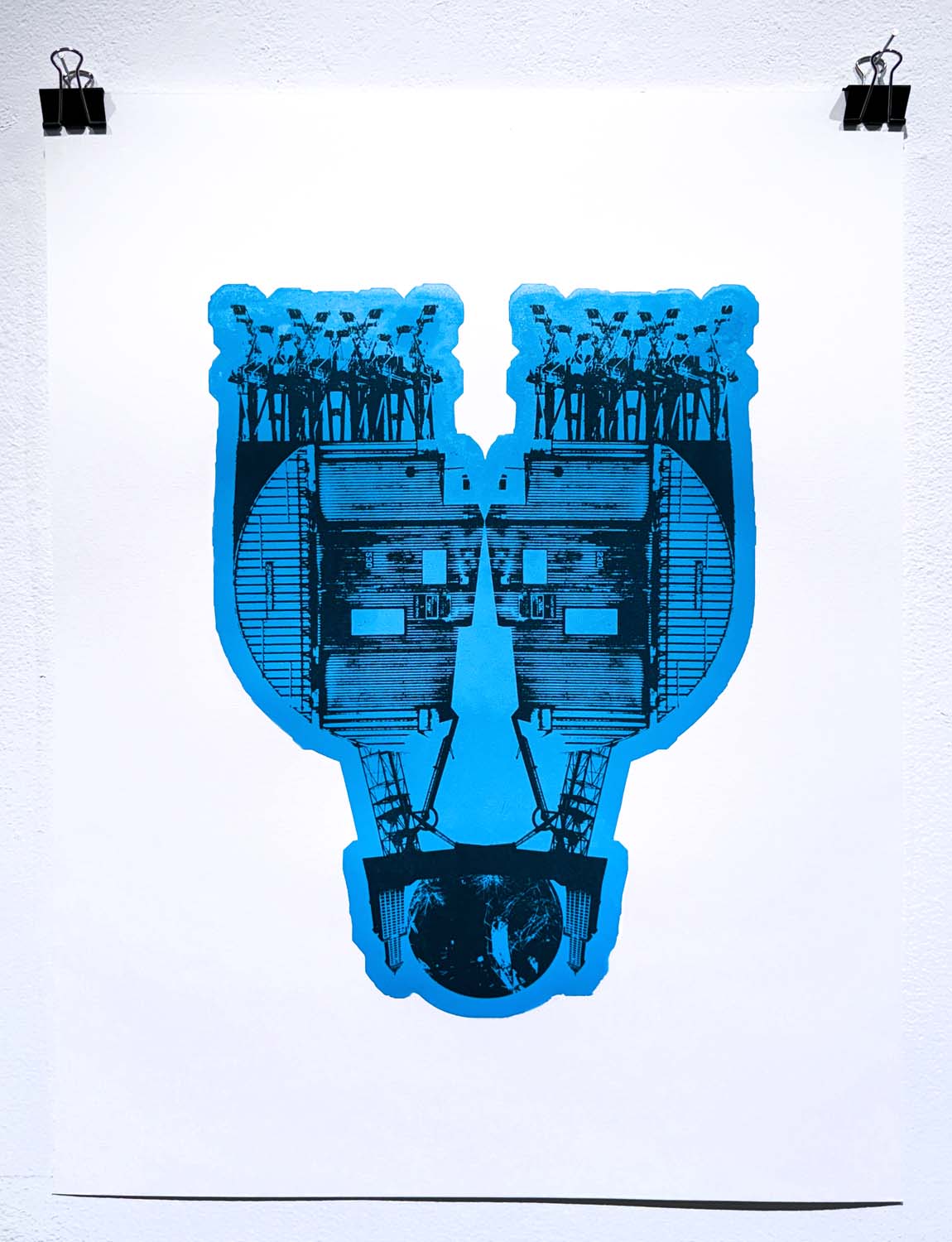
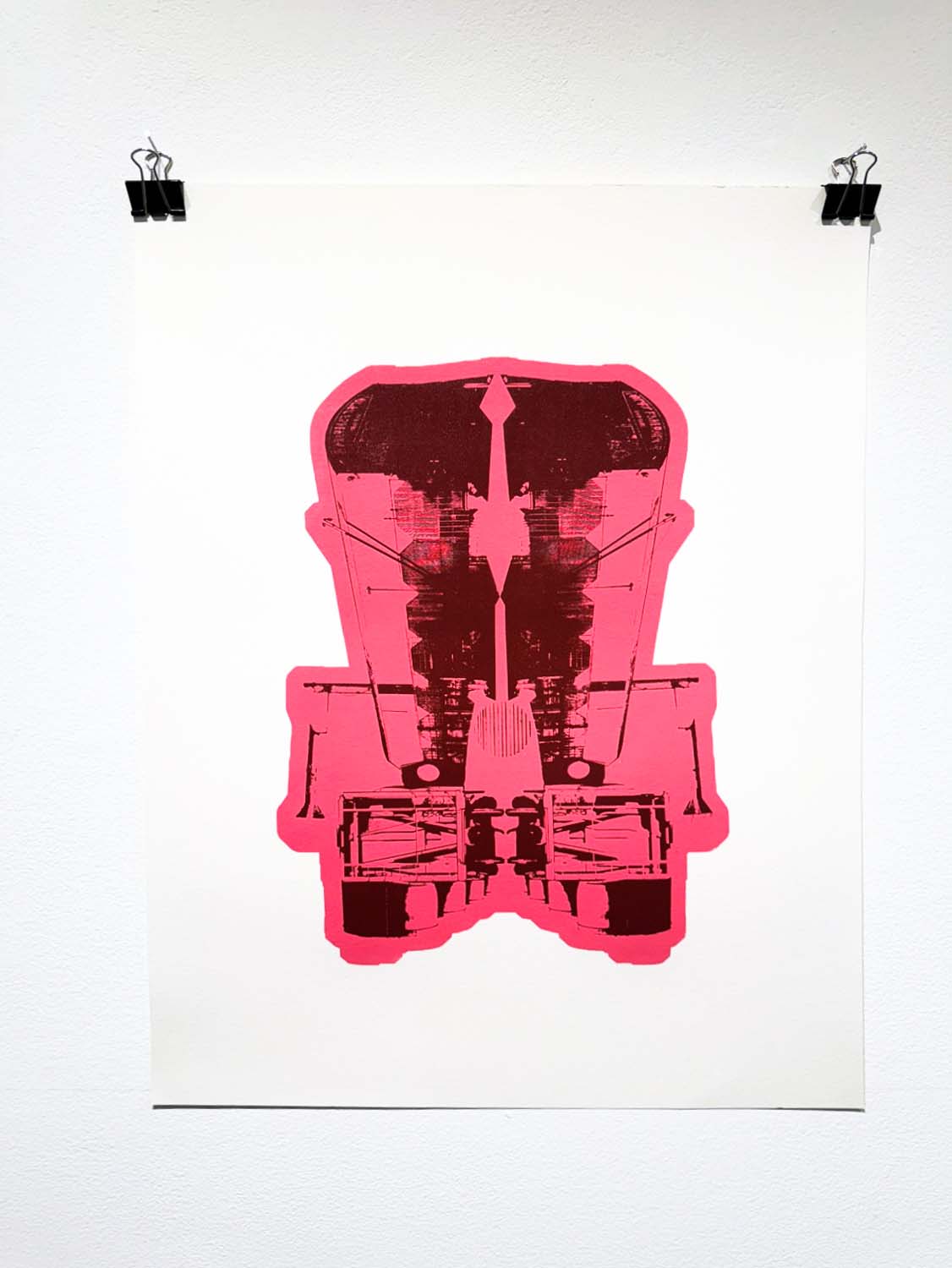
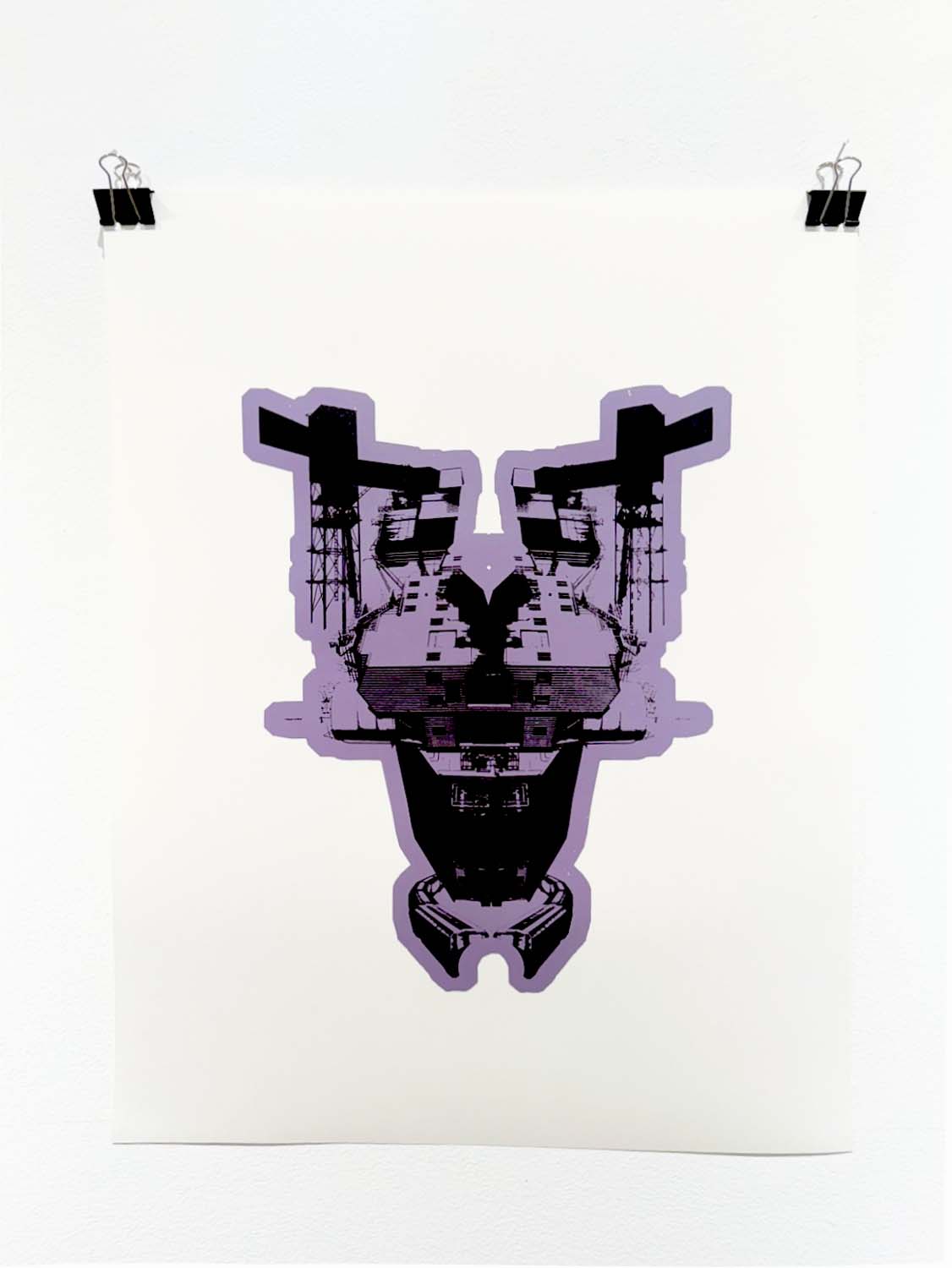
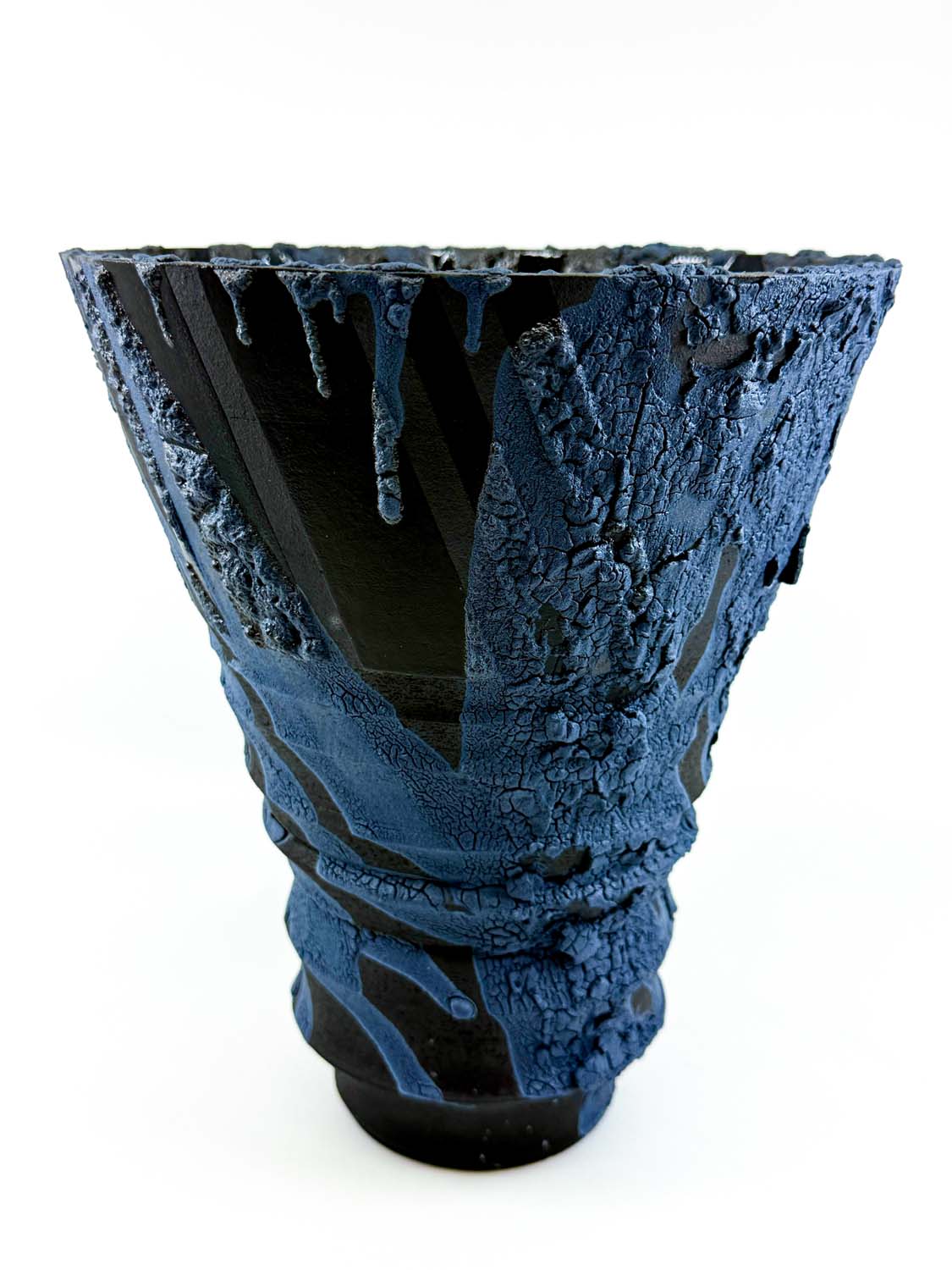
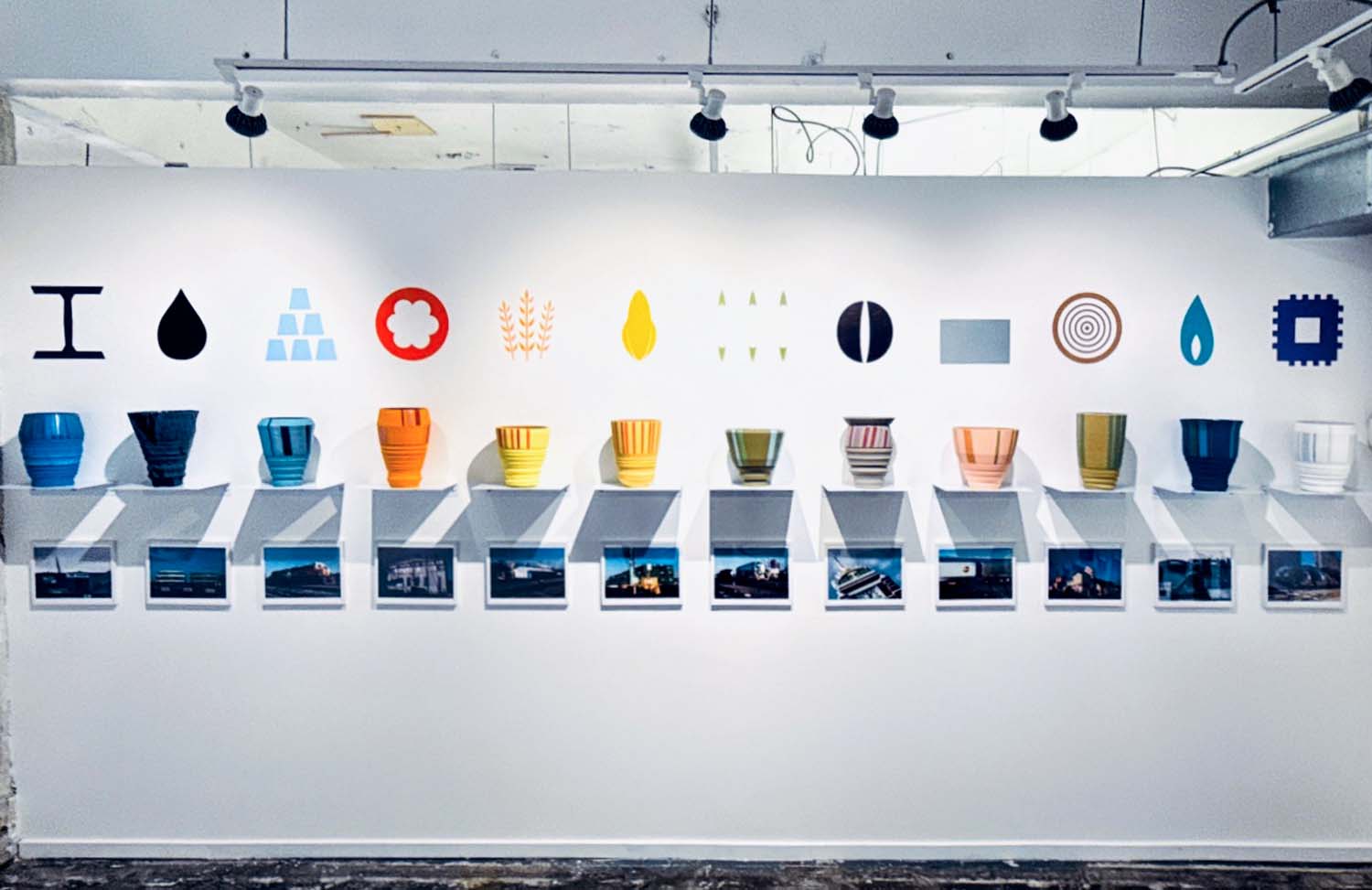
Epistemic Injustice is a form of discrimination where someone is wronged specifically in their capacity as a knower, resulting in their knowledge, experiences, or testimony being unfairly dismissed or undervalued due to prejudice. Specifically, the works refer to the intentional dismissal of indigenous voices and signs and symptoms from our complex ecosystems that have, for millennia, evolved into coexistent and sustainable systems disrupted by the industrialization of waterways, land, and coastlines. Often relegated to what are considered expendable lands, commercial methods exploit the environment and violate original stewardship for profit, displacing valuable ecosystems. Sometimes, in the guise of environmentally sustainable solutions, newer “green” technologies may simply be a shell game that shifts impact to other backyards while consumers enjoy the benefits, but not the negative effects. Although a step in the right direction, electric cars still pose risks to our environment through destructive practices of mineral extraction and mining, creating water scarcity and pollution, a higher initial carbon footprint, power grid dependency (International Energy Agency), and particulate matter (tire and road wear) (OECD 12). One cannot escape participating in impact culture, but a more rapid move back toward true sustainability will be an important key to our survival. Although indigenous populations make up less than 5% of the global population, they help protect 80% of the world’s biodiversity (World Economic Forum) through cultural burning (wildfire mitigation), the three sisters regenerative agriculture (Kimmerer 131), salmon forests (Atlas et al. 192) and stone weirs (marine stewardship), Milipa systems (Mesoamerican agroforestry) (Ford and Nigh 42), and traditional water management (Rivera 12). Maybe we need to be better listeners. If listened to, the voices of our informed collective ancestral knowledge based on observation, experience, and a shared human condition might cut through all the noise generated by greed and profit, showing us a clearer signal to sustainability.
Work Cited:
Atlas, William I., et al. “Indigenous Systems of Management for Resilient Salmon Fisheries.” BioScience, vol. 71, no. 2, 2021, pp. 190-204.
Ford, Anabel, and Ronald Nigh. The Maya Forest Garden. Routledge, 2015.
IEA. Global EV Outlook 2024. IEA, 2024.
Kimmerer, Robin Wall. Braiding Sweetgrass. Milkweed Editions, 2013.
OECD. Non-exhaust Particulate Emissions from Road Transport. OECD Publishing, 2020.
Rivera, José A. Acequia Culture. U of New Mexico P, 1998.
WEF. “5 Ways Indigenous People Are Protecting the Planet.” World Economic Forum, 2023.



Prices shown are current as of the time of posting and subject to change. Please inquire with the artist for current pricing and availability.
craig van den bosch
- email: vandenbosch.craig@gmail.com
- website: vandenboschstudios.com
- Instagram: @nanotomic
Gallery is open Fridays and Saturdays 11am – 4pm and for special events listed above.